Your Guide to Sustainable Fashion: Making Eco-Conscious Choices in 2026
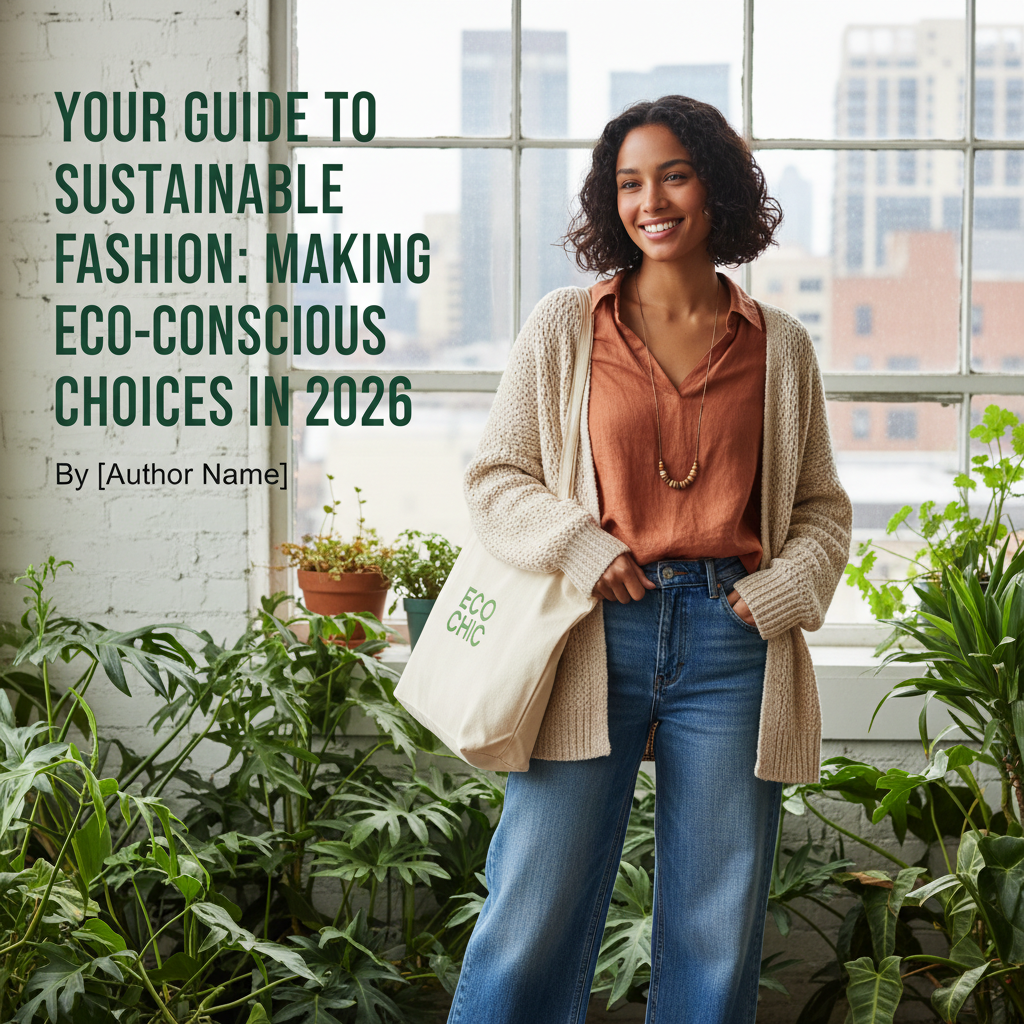
The clothes we wear tell a story – not just about our personal style, but about the world they come from. In 2026, the urgency to adopt sustainable fashion practices has never been greater. The textile industry, while providing essential comfort and self-expression, often comes at a steep environmental and social cost. From vast water consumption to widespread pollution and questionable labor practices, the impacts of fast fashion are undeniable.
But here's the good news: making eco-conscious choices is becoming easier and more accessible. This comprehensive guide will equip you with the knowledge and tools to navigate the evolving landscape of sustainable fashion. We'll delve into understanding the true impact of your wardrobe, how to decipher eco-labels, the journey of truly sustainable garments, and practical steps to build a green wardrobe that aligns with your values.
By the end of this article, you'll be empowered to make informed decisions that benefit both your style and the planet. Join us in transforming your relationship with fashion, one mindful choice at a time.
Understanding the Impact of Your Clothes
The seemingly simple act of buying a new garment carries a complex chain of consequences, many of which are hidden from the consumer. From the fields where raw materials are grown to the factories where clothes are assembled and the landfills where they often end up, every stage of a garment's life cycle has an impact. Recognizing this is the first step toward embracing sustainable fashion.
The Environmental Footprint of Apparel
The environmental toll of conventional clothing production is immense. Cotton, a widely used natural fiber, is notoriously water-intensive, requiring thousands of liters to produce a single t-shirt. Polyester, a synthetic counterpart, is derived from fossil fuels and doesn't biodegrade, contributing to microplastic pollution in our oceans with every wash. Dyeing processes release toxic chemicals into waterways, while textile waste piles up in landfills, often taking hundreds of years to decompose. The global fashion industry is a significant contributor to greenhouse gas emissions, exacerbating climate change.
The Human Cost of Fast Fashion
Beyond environmental degradation, the human element of the fashion industry often involves exploitation. In many parts of the world, garment workers face low wages, unsafe working conditions, and excessive hours. The relentless pressure to produce more for less, characteristic of fast fashion, pushes supply chains to cut corners, sacrificing worker well-being for profit margins. True ethical fashion demands transparency and fair treatment for everyone involved in the production process, from farmers to factory workers. Choosing brands committed to fair labor practices supports a more just and equitable industry. For insights into how a brand can uphold these values, explore The Heart of Atoms Wear: Ethical Practices & Sustainable Materials.
Decoding Eco-Labels: What to Look For
Navigating the world of eco-friendly fashion can feel overwhelming due to the proliferation of various claims and certifications. Understanding what these labels truly signify is crucial to making genuine sustainable choices and avoiding "greenwashing"—the deceptive marketing practice where companies make unsubstantiated claims about environmental benefits.
Key Certifications & Standards
To ensure a product genuinely meets specific environmental or social criteria, look for third-party certifications. These independent audits provide verifiable proof of a brand's commitment.
- Global Organic Textile Standard (GOTS): This is the world's leading processing standard for textiles made from organic fibers. It ensures environmental and social criteria are met throughout the entire supply chain, from harvesting the raw materials to environmentally and socially responsible manufacturing and labeling. If you see GOTS certified, you can be confident the
organic clothingitem meets rigorous standards. - Oeko-Tex Standard 100: This certification assures that every component of an item, from the fabric to the thread and accessories, has been tested for harmful substances and is therefore harmless for human health. It's a great indicator for chemical safety.
- Fair Trade Certified: This label focuses on social justice, ensuring fair wages, safe working conditions, and community development for farmers and workers in developing countries. It directly addresses the human cost discussed earlier, making it a cornerstone of
ethical fashion. - Bluesign® System: This standard aims to eliminate harmful substances from the beginning of the manufacturing process, setting standards for environmentally friendly and safe production.
- BCI (Better Cotton Initiative): While not fully organic, BCI promotes better standards in cotton farming and practices. It focuses on reducing water and pesticide use, but doesn't prohibit synthetics or GMOs.
Understanding Material Claims
Beyond certifications, the materials themselves play a huge role. Brands often highlight specific fabric types, but it's important to understand what makes them truly sustainable.
- Organic Cotton: Unlike conventional cotton, organic cotton is grown without synthetic pesticides, herbicides, or genetically modified organisms (GMOs). This significantly reduces its environmental impact and protects farmer health.
- Recycled Materials (e.g., Recycled Polyester, Recycled Cotton): Utilizing recycled content, often derived from plastic bottles or textile waste, diverts materials from landfills and reduces the need for virgin resources. However, it's important to ask about the recycling process and whether it uses chemicals.
- Lyocell (Tencel™), Modal, and Viscose (Lenzing™ Ecovero™): These are regenerated cellulosic fibers made from wood pulp. While they come from natural sources, the production process can be chemical-intensive. However, brands like Lenzing have developed closed-loop systems (e.g., Tencel™ and Ecovero™) that recover and reuse most solvents, making them highly sustainable options known for their softness and durability.
- Hemp and Linen: These natural fibers are incredibly durable, require minimal water and pesticides to grow, and often improve soil health. They are excellent choices for
premium fabricsand long-lasting garments. For a deeper dive into the materials that define comfort and quality, read Premium Fabrics Unpacked: The Secret Behind Atoms Wear Comfort.
The Lifecycle of Sustainable Clothing
A truly sustainable fashion item considers its impact at every stage, from its humble beginnings as a raw material to its eventual end-of-life. This holistic approach, often called a "cradle-to-cradle" model, contrasts sharply with the linear "take-make-dispose" model of fast fashion.
From Raw Material to Manufacturing
The journey begins with sourcing. Sustainable brands prioritize materials that are renewable, recycled, or have a low environmental footprint. This means choosing organic clothing fibers grown without harmful chemicals or utilizing innovative recycled materials. The manufacturing process itself is also critical. Factories should operate with reduced water and energy consumption, minimize waste, and implement ethical labor practices. Brands should strive for transparency, offering insights into their supply chain so consumers can trace the origins of their garments. This commitment to responsible production is a hallmark of truly eco-friendly fashion.
Longevity & Durability: Engineered Comfort
One of the most impactful ways to make fashion sustainable is to simply make it last longer. High-quality garments, designed for durability and timeless appeal, reduce the need for frequent replacements, thereby lowering overall consumption. Brands focusing on engineered comfort often prioritize robust construction, high-quality stitching, and fabrics that withstand the test of time and repeated wear. This not only benefits the environment but also offers better value to the consumer. A garment that feels good, performs well, and maintains its integrity for years is inherently more sustainable than a cheaply made item that quickly falls apart. Look for indications of quality, such as reinforced seams, dense fabric weaves, and thoughtful design details that contribute to a garment's lifespan.
End-of-Life Solutions: Circularity in Fashion
What happens to your clothes when you're done with them? In a sustainable model, "done" doesn't necessarily mean "discarded." Brands and consumers are increasingly exploring circular solutions.
- Recycling Programs: Many brands now offer take-back programs for their old garments, which can then be mechanically or chemically recycled into new fibers. This keeps textiles out of landfills.
- Upcycling and Repair: Extending the life of a garment through repair, alteration, or creative upcycling is a highly effective way to reduce waste. Learning basic mending skills or supporting local tailors can be incredibly empowering.
- Composting (for natural fibers): Pure, untreated natural fibers like organic cotton, linen, or hemp can be composted at the end of their life, returning valuable nutrients to the soil.
By considering these factors, we can move towards a fashion system where resources are continually cycled, minimizing waste and maximizing value.
How to Build a Truly Green Wardrobe
Building a sustainable fashion wardrobe doesn't require a complete overhaul overnight. It's a journey of mindful choices and gradual shifts that reflect your values. The goal is not perfection, but progress and conscious consumption.
Prioritize Quality Over Quantity: The Minimalist Approach
One of the most powerful steps you can take is to shift your mindset from fast fashion's disposability to investing in pieces that last. Embrace the principle of "buy less, choose well." This means opting for durable, high-quality garments made from sustainable materials that will withstand years of wear and washing. While the initial cost might be higher, the cost-per-wear over the garment's lifespan will often be lower than constantly replacing cheap items. This approach naturally leads to a more curated, minimalist wardrobe, where every item serves a purpose and is genuinely loved. You can discover more about this approach by reading Master Your Style: Building a Minimalist Capsule Wardrobe with Atoms Wear.
When you prioritize quality, you also often get the benefit of engineered comfort and timeless designs that won't go out of style after a single season. This makes your wardrobe more versatile and reduces the urge to constantly chase new trends.
Embrace Secondhand & Repair
The most sustainable garment is often the one that already exists. Shopping secondhand, whether through thrift stores, consignment shops, or online marketplaces, is an excellent way to reduce demand for new production and give clothes a second life. It's an adventure that often uncovers unique pieces and helps you define a truly individual style.
Equally important is repairing and maintaining your existing clothes. A small tear or a missing button doesn't have to be the end of a garment's life. Learning basic mending skills or supporting local tailors can significantly extend the lifespan of your wardrobe, saving money and reducing waste.
Support Sustainable & Ethical Brands
As you build your green wardrobe, consciously seek out and support brands that align with eco-friendly fashion and ethical fashion principles. Look for companies that are transparent about their supply chains, use certified organic clothing and recycled materials, employ fair labor practices, and are committed to reducing their environmental footprint. Atoms Wear, for example, is dedicated to quality-first clothing made from organic materials, sustainable practices, and inclusive design, with a goal of becoming carbon neutral by 2027.
By directing your purchasing power towards these brands, you send a clear message to the industry that sustainability matters. It encourages more companies to adopt responsible practices and helps accelerate the shift towards a more equitable and environmentally friendly fashion future. If you're tired of the fleeting nature of cheap clothes, consider an alternative: Tired of Fast Fashion? Discover Lasting Quality with Atoms Wear.
Frequently Asked Questions About Sustainable Fashion
What is the biggest environmental impact of fast fashion?
The biggest environmental impacts include excessive water consumption for fiber cultivation, chemical pollution from dyeing and finishing processes, vast textile waste filling landfills, and significant greenhouse gas emissions from production and transportation.
How can I tell if a brand is truly sustainable or just greenwashing?
Look for transparency in their supply chain, third-party certifications (like GOTS, Fair Trade, Oeko-Tex), specific details about their materials and manufacturing processes, and clear, measurable sustainability goals. Vague claims without verifiable proof are often red flags.
Is organic clothing always the best sustainable choice?
Organic clothing, particularly organic cotton, is an excellent choice as it avoids synthetic pesticides and GMOs. However, sustainability is multifaceted. Consider the entire lifecycle, including water use, dye processes, and labor practices. Sometimes, recycled materials or innovative closed-loop fibers can be equally, if not more, sustainable depending on the specific product and brand.
How can I make my existing wardrobe more sustainable?
The best way is to extend the life of your clothes. Repair items, care for them properly to prevent damage, swap with friends, or donate/sell them when you're done. Avoid throwing clothes in the trash.
What are some easy first steps to transition to sustainable fashion?
Start by repairing clothes you already own, buying less frequently, choosing items made from natural or recycled fibers when you do buy new, and exploring secondhand shopping. Even small changes make a difference.
Conclusion
Embracing sustainable fashion in 2026 is more than just a trend; it's a conscious commitment to a better future. By understanding the profound impact of our clothing choices, deciphering eco-labels, and adopting a mindset of quality, longevity, and circularity, we can collectively transform the industry. Your wardrobe has the power to be a force for good, reflecting not only your personal style but also your dedication to environmental and social responsibility.
Every mindful purchase, every repair, and every decision to support eco-friendly fashion contributes to a more ethical and sustainable world. The journey towards a green wardrobe is continuous, but with the insights provided in this guide, you are well-equipped to make intelligent, impactful choices. Start small, stay informed, and enjoy the satisfaction of building a wardrobe that you can feel truly good about, inside and out.